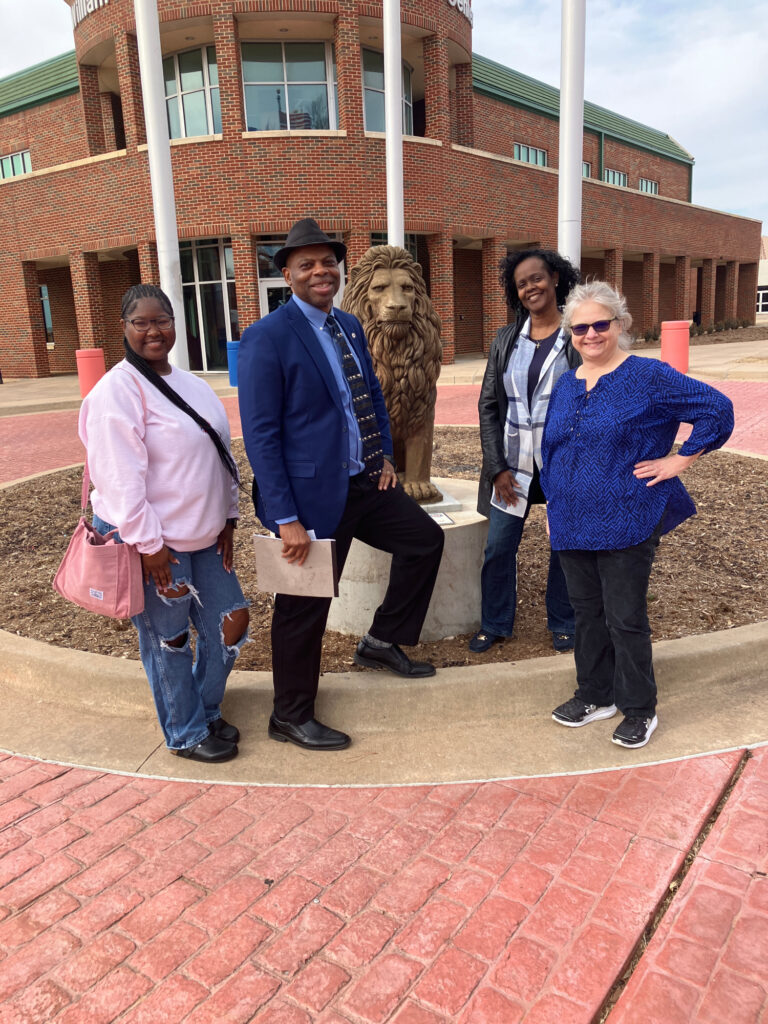
As the week unfolded, an exciting opportunity was presented: a tour of Langston University led by Sydney Love, the embodiment of exceptional leadership and academic excellence. SGA President Nate Edwards orchestrated this insightful journey, recognizing the value of showcasing Langston’s finest to our esteemed guests. I did not have a good understanding of Langston culture. I got help from our students!
A Campus Exploration with Sydney Love
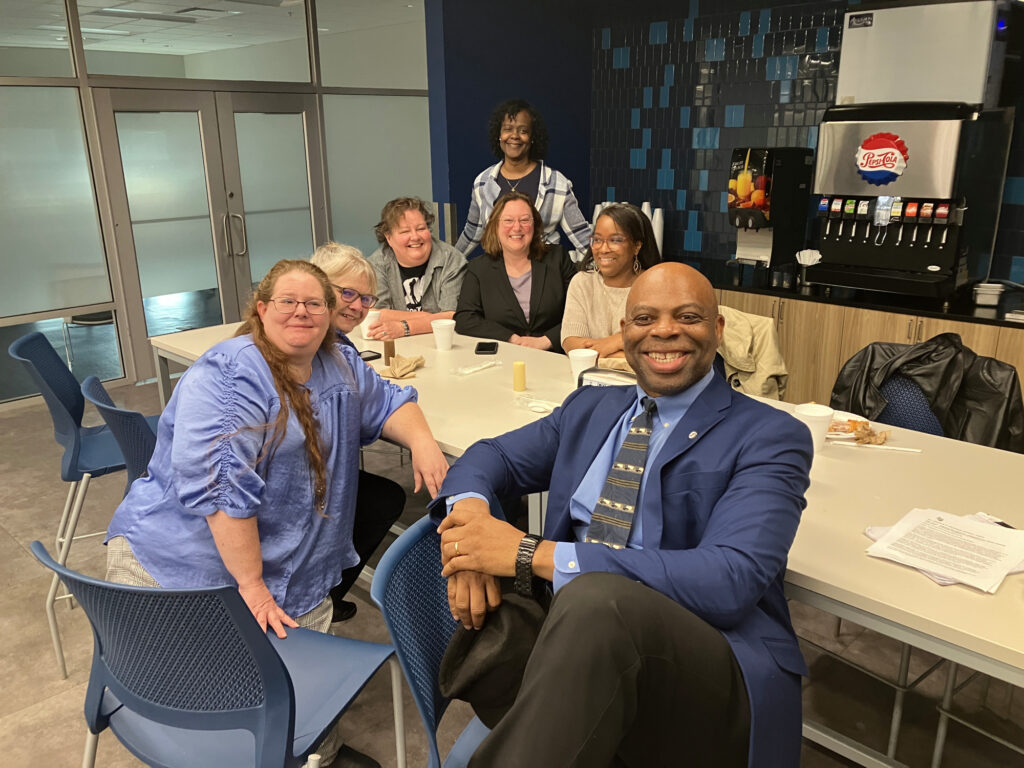
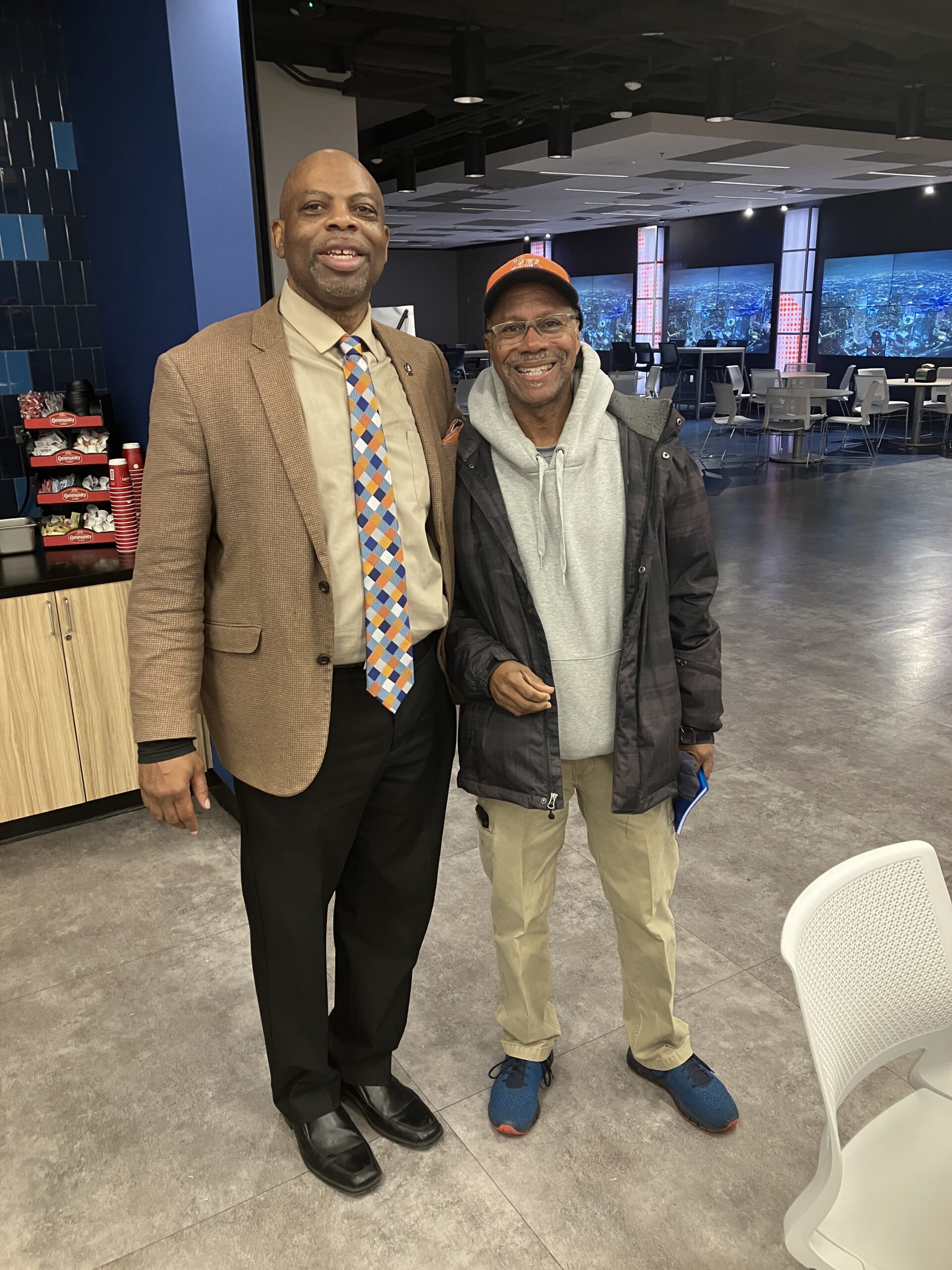
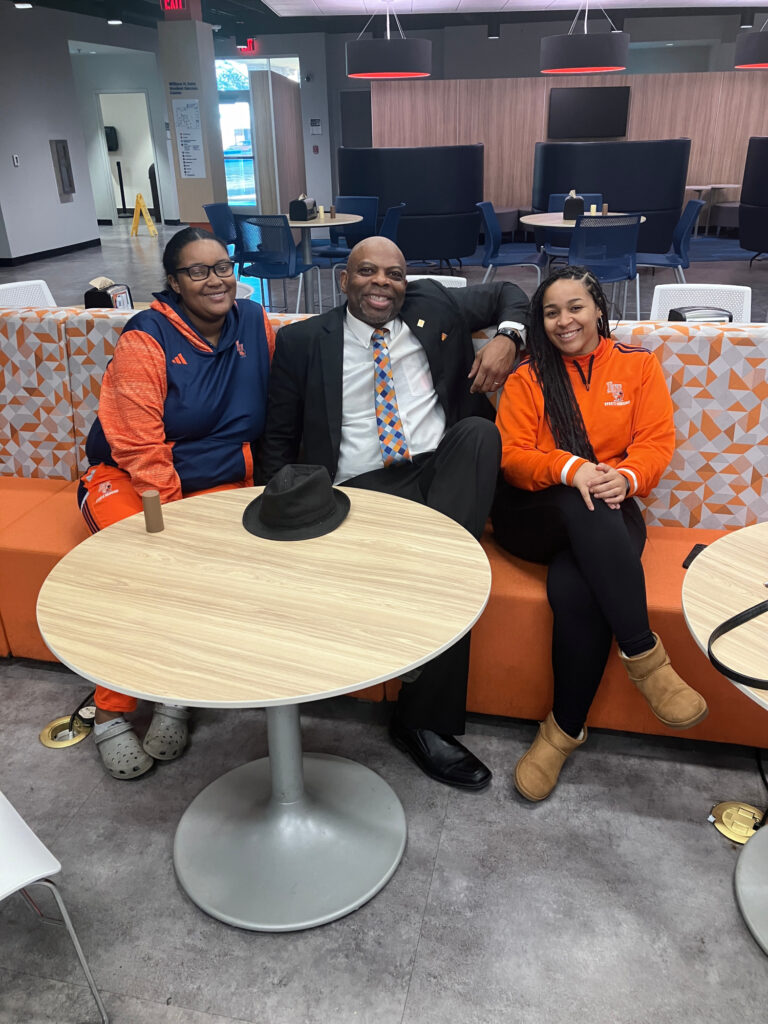
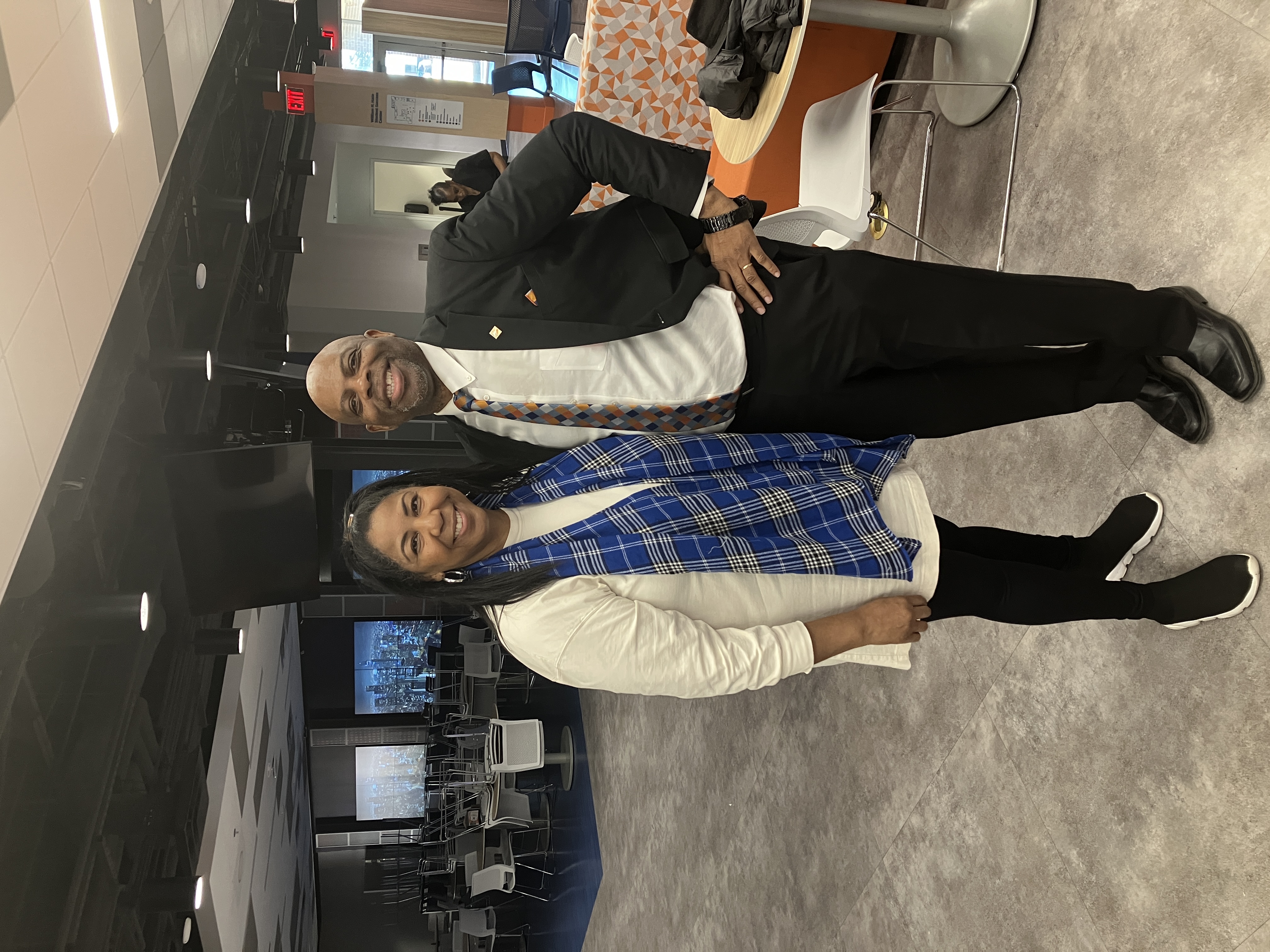
Accompanied by my wife, Estraletta, and our office manager, Mrs. O’Bryan, we gathered in the café, eagerly anticipating the adventure ahead. Soon, we were greeted by Sydney, whose warm smile and infectious enthusiasm set the tone for an unforgettable experience.
A Message of Invitation
Sydney, the Langston University Ambassador Chair, had extended a gracious invitation to us, expressing her desire to alter the narrative by introducing us to the wonders of their campus. Her message radiated with genuine hospitality and eagerness to share her beloved university.
Sydney’s Exceptional Qualities Shine
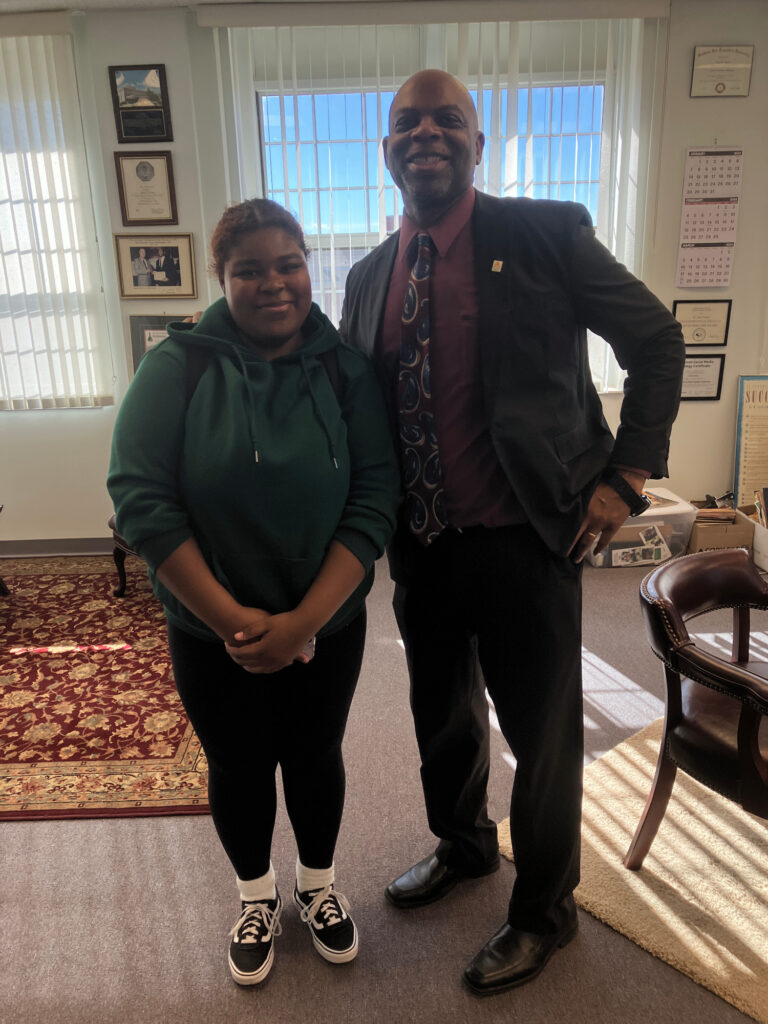
As we embarked on the tour, it quickly became apparent why Sydney was chosen to lead this endeavor. A standout agriculture major and an honor student, Sydney possessed a remarkable blend of intellect, charisma, and leadership prowess. Throughout the tour, she effortlessly balanced providing historical insights with offering a student’s perspective, enriching our experience with depth and authenticity.
A Beacon of Hope for the Future
In a world where the younger generation often faces unfair criticism, Sydney stood as a beacon of hope and promise. Her exceptional communication skills and sharp critical thinking exemplified the best qualities of Langston’s students. As we traversed the campus under Sydney’s guidance, it was evident that Langston University should take immense pride in nurturing such bright, capable individuals.
Celebrating Sydney’s Success
As our tour concluded, it was clear that Sydney had left an indelible impression on us all. Her leadership and her unwavering dedication to excellence were a testament to the bright future for Langston University and its students. With Sydney graduating, it’s imperative to showcase the caliber of students Langston produces, ensuring their contributions continue to be celebrated and recognized. Sydney’s leadership shone brightly throughout, leaving us inspired and invigorated by the promise of the future she represents.
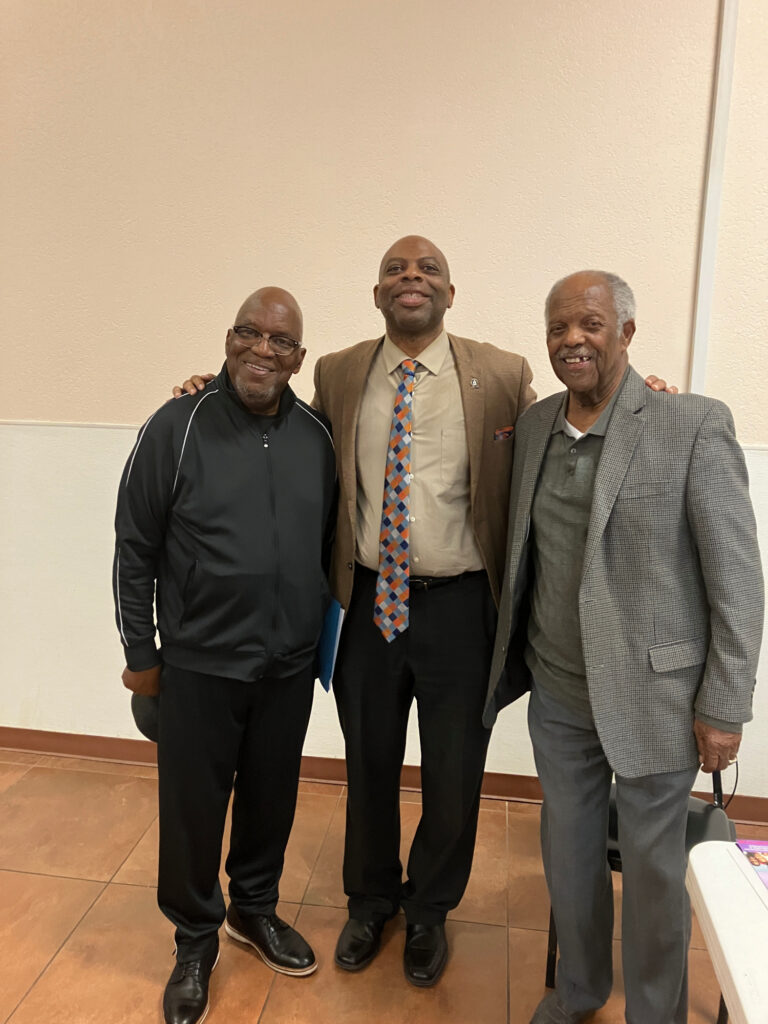
Pastor Reed and Pastor Jemison are some of the most pro-education pastors in Oklahoma. They respect the role of Langston University as the only black college in Oklahoma. Dean Green has a deep respect for these iconic leaders in our community.
Today’s experience at Fairview Missionary Baptist Church for Langston Day, under the spiritual leadership of civil rights icon Dr. J.A. Reed, was a profound reminder of the deep connections between the black church and black colleges. In the black community, the intertwining of education and religious faith forms a foundation strong enough to withstand the trials of history. Langston University’s story is a testament to this enduring bond.
The genesis of Langston University is rooted in a struggle for access to education amidst the harsh realities of segregation in the Oklahoma Territory. In July 1892, driven by a community’s unwavering desire for knowledge and equality, black citizens petitioned to establish a college in Langston. Despite opposition, their efforts bore fruit with the founding of the Colored Agricultural and Normal University in 1897, a beacon of hope and resilience inaugurated in a Presbyterian Church. This origin story is not just a chapter of history; it’s a legacy of faith, determination, and the pursuit of excellence against all odds.
On Sunday, February 11th, the vibrant worship service at Fairview Missionary Baptist Church, filled with Lion pride, was a living example of the powerful synergy between faith and education. As Pastor Reed invited the Langston community to stand, the sense of unity and shared purpose was palpable. President Ruth Jackson’s encouraging words, the soul-stirring melodies of the Langston choir, and Rev. Derrick Walter Jr.’s electrifying message all underscored the significance of our gathering. It celebrated achievement, community, and the unwavering faith guiding generations.
The black church has always been more than a place of worship; it’s been a sanctuary of hope, a forum for civil rights, and a catalyst for educational empowerment. Its role in establishing and sustaining institutions like Langston University cannot be overstated. The journey toward academic excellence in the black community has often been paved with hardships. Yet, through these very challenges, the strength of our faith and the value of perseverance are most clearly revealed.
Parents instill in their children that education is a pathway to liberation, a journey intertwined with faith. This belief system, rooted in the collective experience of the black church, propels our youth toward higher education, armed with the resilience and conviction that their ancestors carried. It is this fusion of faith and education that sets the experience at black colleges, even public ones like Langston, apart from traditional, predominantly white institutions (PWIs). Our hardship in the black experience fuels our worship.
In honoring black Americans’ contributions and the black church’s pivotal role, we acknowledge a heritage rich with examples of triumph over adversity. The legacy of Langston University, born from the courage and faith of its founders and nurtured by the strength of the black church, continues to inspire us. It reminds us that faith and education are inseparable threads in our history, guiding us toward a future where every dream is attainable and every voice is heard.
Dean Green has worked with Jessilyn and the late Andre Head for several years in assisting the Oklahoma Historical Towns, laboring with economic development and marketing.
In the heart of February, I had the privilege of attending the Ira D. Hall and Rubye Hibler Hall Endowed Lecture Series, invited by my dear friend Jessilyn Head, co-founder of the Coltrane Group. The theme, “Reflections on Leadership & Service: A Legacy of Leadership,” resonated deeply as we honored the remarkable lives and contributions of Jessilyn’s parents, Ira and Rubye Hall. This event, held on campus on February 6th, was more than just an academic engagement; it celebrated black excellence and the enduring impact of personal philanthropy on higher education. I have a fantastic relationship with Jessilyn and the late Andre Head while working at OBU. I was involved with numerous projects attempting to assist the Oklahoma Historical Black Towns. The Heads were dear friends, and we were St. John Missionary Baptist Church members in OKC.
Ira and Rubye Hall were pioneers in their own rights, with their lives painting a vivid picture of resilience, dedication, and commitment to educational advancement. Rubye, an esteemed educator and a beacon of leadership within the Oklahoma public school system, and Ira, a trailblazer in academic administration, embodied the essence of “Excellence in Progress”—a theme Jessilyn aptly used to describe her father’s journey at Langston. Their story is a narrative of individual achievement and a testament to the transformative power of education and service.
As the Dean of Langston University’s School of Business, I am no stranger to the challenges of striving for excellence in an environment that often overlooks the contributions of African Americans. Yet, the Halls’ legacy is a beacon of hope, illustrating the profound impact of perseverance and dedication. Their contributions went beyond their professional achievements; they were also deeply committed to uplifting their community through education, with Rubye’s service in numerous esteemed institutions and Ira’s pivotal role in improving the quality of education for African American students in Oklahoma.
The Halls’ legacy of leadership and service is further immortalized through the philanthropic efforts of their family. Jessilyn and her family’s dedication to sponsoring the endowed lecture series and introducing a new endowed scholarship in their family’s name are commendable acts of generosity that ensure the continuation of their legacy. These initiatives honor the memory of Ira and Rubye and pave the way for future generations to pursue excellence in their educational endeavors.
As we reflect on the Halls’ monumental contributions and the unwavering support of their family, it’s clear that their legacy is not just a chapter in history but a living, breathing inspiration for all of us. As a community, we are called to celebrate the high academic standards set by pioneers like the Halls and encourage our students to believe that anything is possible, regardless of the obstacles.
Dean Green took time from the basketball game to thank Langston Band Director March Gordon for the incredible music selection at the game. Dr. Green is a fan of the SWAC sound.
During a lively period at Langston University in the first week of February, I embarked on an enriching journey that deepened my connection to this vibrant community. Alongside my wife, Estraletta, I ventured into the heart of Langston’s spirited traditions at a basketball game, an experience that was both new and profoundly moving for me. Though memorable, our previous attendance at a December basketball game unfolded in students’ absence, creating a different atmosphere without student energy.
In December, Estraletta pointed out that I was experiencing a form of culture shock, contrasting the basketball atmosphere here at Langston, a historically black college, with that of the predominantly white institutions to which I was more accustomed. This realization struck a nerve in me as I began to appreciate the unique blend of talent, spirit, and community that defines the black college experience.
Despite not knowing any of the players personally, the talent displayed by both the men’s and women’s basketball teams captivated me. Their dedication was evident in a doubleheader game we attended, with the men’s team ranked 2nd nationally, a testament to their hard work and determination. The electric karma of the crowd, a celebration of black college culture, resonated deeply within me, marking a profound moment of connection to Langston’s community.
What truly amplified this experience was the presence of the Langston University Marching Pride, positioned on the gym’s balcony, filling the space with soul-stirring music that added a unique vibrancy to the atmosphere. Their performance was not just musical; it was the soul of Langston coming alive, enriching the basketball game with an unparalleled auditory experience.
Meeting Mark Gordon, the Director of the Langston Band, was a highlight of this cultural immersion. With over two decades of experience in directing bands at both high school and collegiate levels, Gordon’s expertise was palpable. His background in applied music from Prairie View A&M University had infused the Langston University Marching Pride with a distinctive SWAC sound reminiscent of renowned bands like those from Jackson State, Prairie View, Grambling, and Southern. This magical ingredient was the essence of the band’s swagger, captivating me and further anchoring my appreciation for the unique culture at Langston University.
Reflecting on these experiences, I gained a profound connection to a community that celebrated its heritage, talent, and spirit with pride. Each encounter, from the thrilling basketball games to the dynamic performance of the Marching Pride, enriched my understanding and appreciation of the deep-rooted traditions that make Langston University a special place.
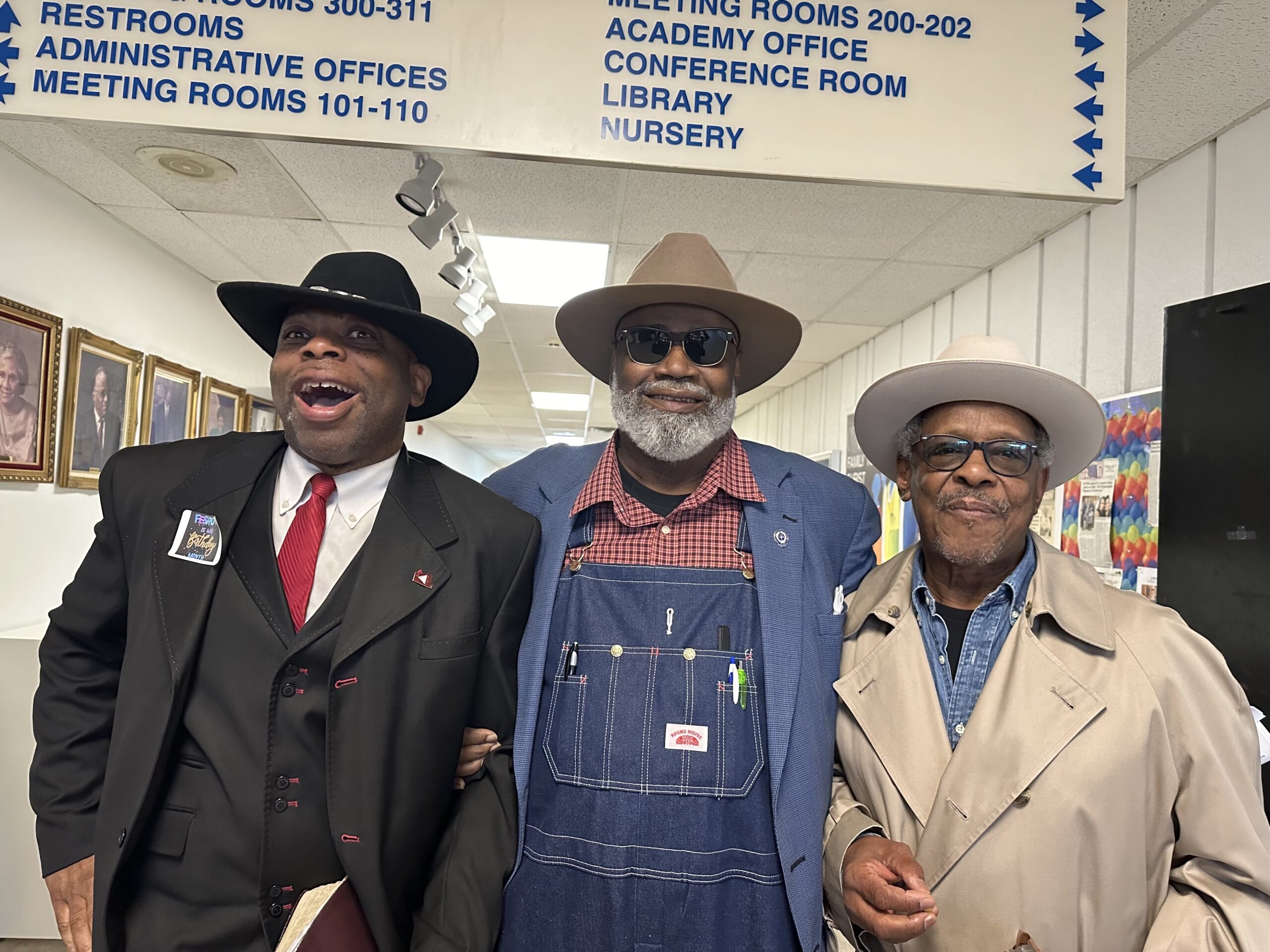
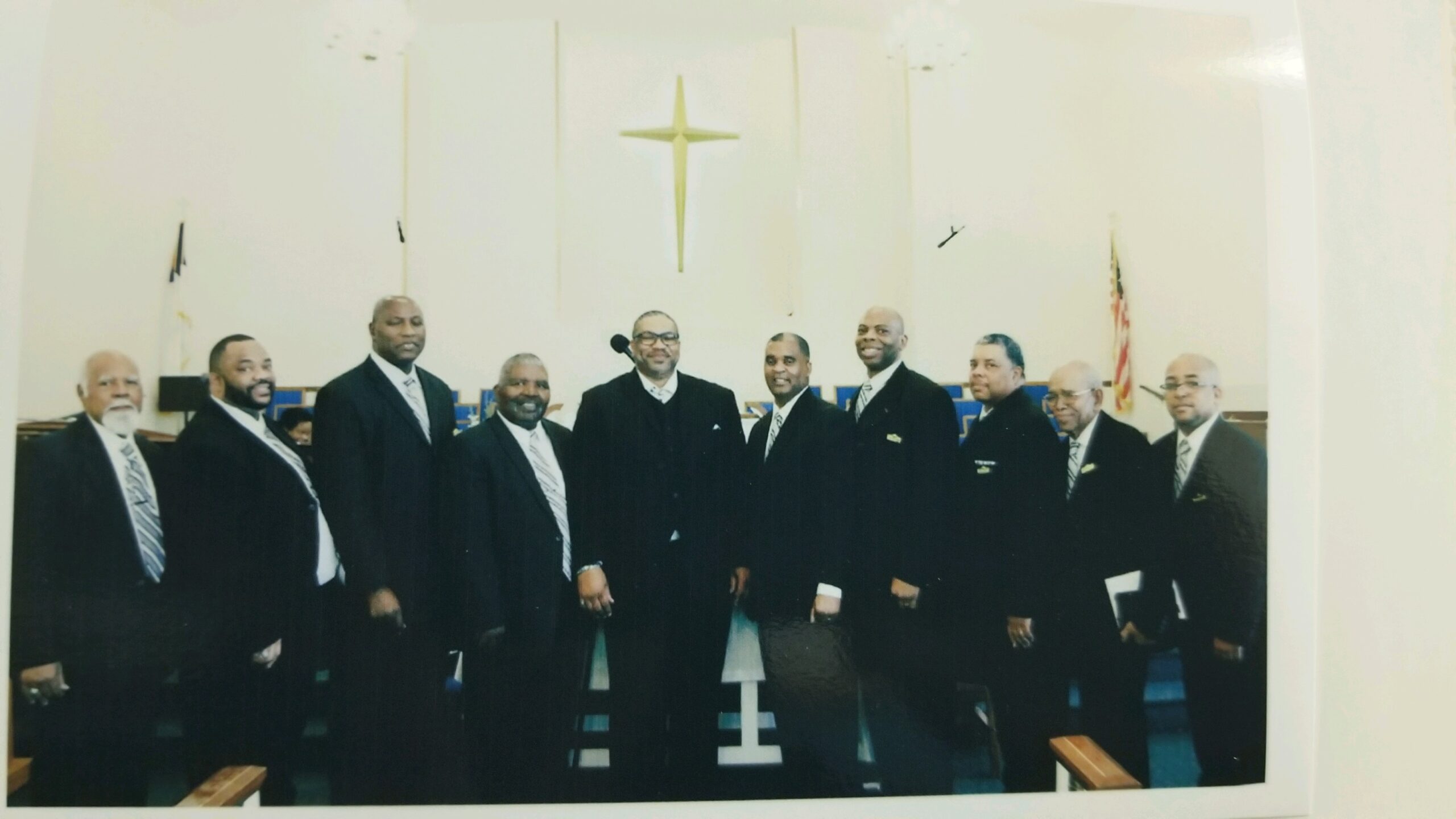
Some people in secular society paint the Black Church as a sterile environment. Even through hardship and despair, members of the Black Church have found ways to laugh. Members of St. John Missionary Baptist Church salute ‘Throw Back Sunday.”
Introduction
In our quest to understand the history and ideals that shape America, we sometimes overlook the profound role played by the Black Church in nurturing transformative leaders for the future. This legacy deserves recognition and celebration, as it has significantly contributed to the development of leaders who have shaped the course of our nation. As I walk on campus and see the echoes of past leaders, I recognize that these leaders did not emerge by accident. Let’s explore the influence of the Black Church on leadership development in the United States.
A Painful Yet Powerful Tradition
Reflecting on my own experiences, I recall attending a college chapel where a Black minister was the featured speaker at a Predominantly White Institution (PWI). I sat far back, blending in with the student population. This minister, a product of the civil rights movement, was well-educated and highly successful as a pastor and leader in the Black community. His delivery was impeccable until he transitioned into traditional Southern Baptist “hooping,” a preaching style deeply rooted in the Black Church. However, some non-Black students in attendance began to mock him. It was a moment that left me feeling sad and disappointed.
What these students failed to grasp was that Black worship, including passionate preaching, often emerges from pain, hurt, and disappointment. It is a means of finding solace and strength in adversity. Within these moments of vulnerability and spiritual release, I have witnessed the emergence of remarkable Black leaders.
Saluting the Black Church’s Contribution
I want to salute the Black Church for its role in developing transformational leadership in the United States. While figures like Martin Luther King Jr., Malcolm X, and President Obama are well-known leaders, I submit that millions of church members were training their children within the nurturing embrace of their congregations to be leaders in their own right.
Growing up in Louisiana, I witnessed firsthand how children were taught leadership skills through various church activities. From participating in Christmas plays to memorizing Easter speeches and attending Sunday worship services, prayer meetings, and evening gatherings, the church was an integral part of our lives. In many ways, it played a role as vital as a school.
Empowering Leaders Despite Adversity
The Black Church provided a platform for men and women often denied fundamental rights to become community leaders, including the right to vote and equal employment opportunities. Even for those not formally educated, the roles of minister or teacher carried immense respect within the church. In a society that frequently proclaimed the inferiority of Black individuals, the Black Church stood as a beacon of affirmation, instilling a sense of pride in one’s Black identity and the belief that one person could indeed transform the world.
The Roots of Leadership: My Journey
Reflecting on my path, I can confidently say that what I am as a man and a leader is deeply rooted in my experiences within the Black Church. While I have extensively studied and researched leadership theories, I am often disappointed at the lack of respect and acknowledgment in academia concerning the invaluable contributions of Black individuals and the Black Church in shaping leadership.
Excellence and Education as Cornerstones
Today, I attend St. John Missionary Baptist Church under the leadership of Pastor Dr. Major Jemison. Our church is a model of excellence in everything we do, with education viewed as a pathway to broader opportunities. We instill in our children the belief that they are valued and capable of achieving anything they set their minds to. Every Sunday, we fellowship with leaders from various fields, including federal judges, executives, principals, medical doctors, attorneys, funeral home directors, and government officials.
Continuing to Forge Leaders for Humanity
The Black Church, our Black Church, continues to play a pivotal role in developing men and women for service to humanity. It is a bastion of resilience, hope, and empowerment. The values it imparts and the sense of community it fosters are instrumental in nurturing transformational leaders equipped to tackle our time’s challenges.
Strong, influential leaders like Pastor Dr. J.A. Reed Jr. and Pastor Dr. Major Jemison have led the foundation for future leaders like Dr. Daryl D. Green. Never forget that this transformational leadership came out of the Black Church.
The Civil Rights Movement and Its Leaders
The Civil Rights Movement, led from the heart of the church, has been a testament to the power and influence of the Black Church in advocacy and leadership. I have been honored to know exceptional leaders like Dr. J. A. Reed, Jr., Senior Pastor at Fairview Missionary Baptist Church, who, even in his 90s, continues to lead boldly. Similarly, my pastor, Dr. Major Jemison, former President of the Progressive Baptist Convention, exemplifies courageous leadership in the Black community of Oklahoma City.
A Call for Recognition
I hope that one day, those who do not share our cultural heritage will come to appreciate the profound contributions of the Black Church in nurturing leaders who are poised to make a difference. Let us pray that this recognition comes swiftly, for the legacy of the Black Church deserves acknowledgment and honor in the tapestry of our nation’s history. Don’t wait too late!!!
As Estraletta and I found ourselves 3,000 miles away from our Southern roots, building our careers in the Tri-Cities of Washington, we became part of a vibrant community of graduates from HBCUs nationwide. In a region where only 0.9% of the population was Black, there was a tremendous demand for engineers and scientists, particularly in the Department of Energy (DOE) and its associated contractors. STEM graduates from Southern University A&M , Prairie View A&M, Tennessee State, Dilliard University, University of Arkansas-Pine Bluff, Texas Southern University, Morehouse College, Spelman College, and Howard University flocked to these opportunities, and our paths crossed in this newfound home.
What connected us all was more than just shared career paths; it was a deep bond that many outside our circle struggled to comprehend. Some of our colleagues may have felt uneasy when they saw us (Young, Black, Beautiful, Brilliant) gather in large numbers, not understanding the profound confidence and pride that came from our HBCU experiences. Some may have believed they were superior because they attended predominantly white institutions (PWIs), but they could not escape the magnetic connection that bound us.
Our shared experiences, cultural heritage, and the values instilled in us during our time at HBCUs created an unbreakable bond. We celebrated our heritage, carried the weight of our ancestors, and embraced the legacy of excellence that HBCUs represent. We stood as a testament to the power of determination, resilience, and the unwavering belief that we could achieve greatness despite the odds.
I am immensely honored to serve under the leadership of President Ruth Jackson. In a recent meeting, I shared an experience that made her smile, instantly recognizing the Southern University culture that flowed through my veins. It was a reminder of how our shared backgrounds, experiences, and values transcend geography and institutions.
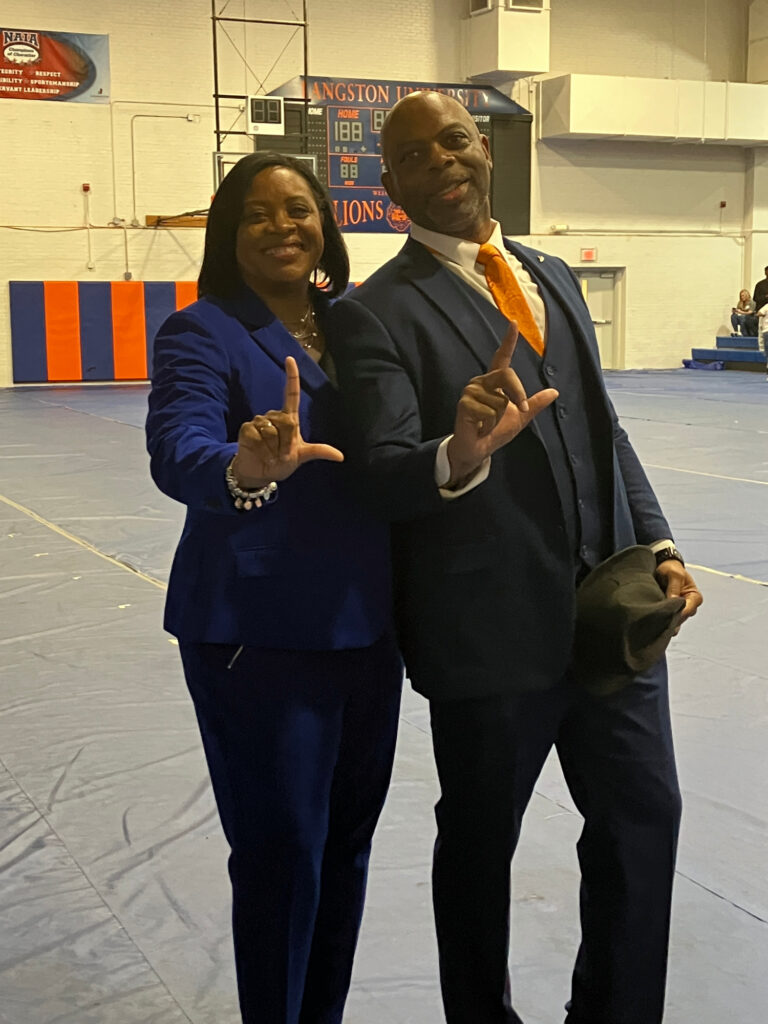
During the High School Day event, the Langston University Marching Pride played traditional songs familiar to Black college graduates. It was a reminder of the rich cultural tapestry that binds us all. I also learned a new artistic tradition at Langston: “L up!” – a symbol of unity and pride that resonates deeply within the Langston community.
While some may dismiss the Black college experience, it is a bond that links all 102 HBCUs and the countless alumni who have walked their hallowed halls. It is a testament to the enduring power of unity, resilience, and our unbreakable connection.As we continue to celebrate the strength of our shared experiences, let us remember that the bond of HBCU alumni is a source of inspiration, pride, and unwavering support. It is a bond that transcends time and distance, forging a legacy that will continue to shape the future of our communities and the world. ???????????? #HBCUAlumni #Unity #Legacy
Marching to the Beat: The Soulful Significance of HBCU Bands
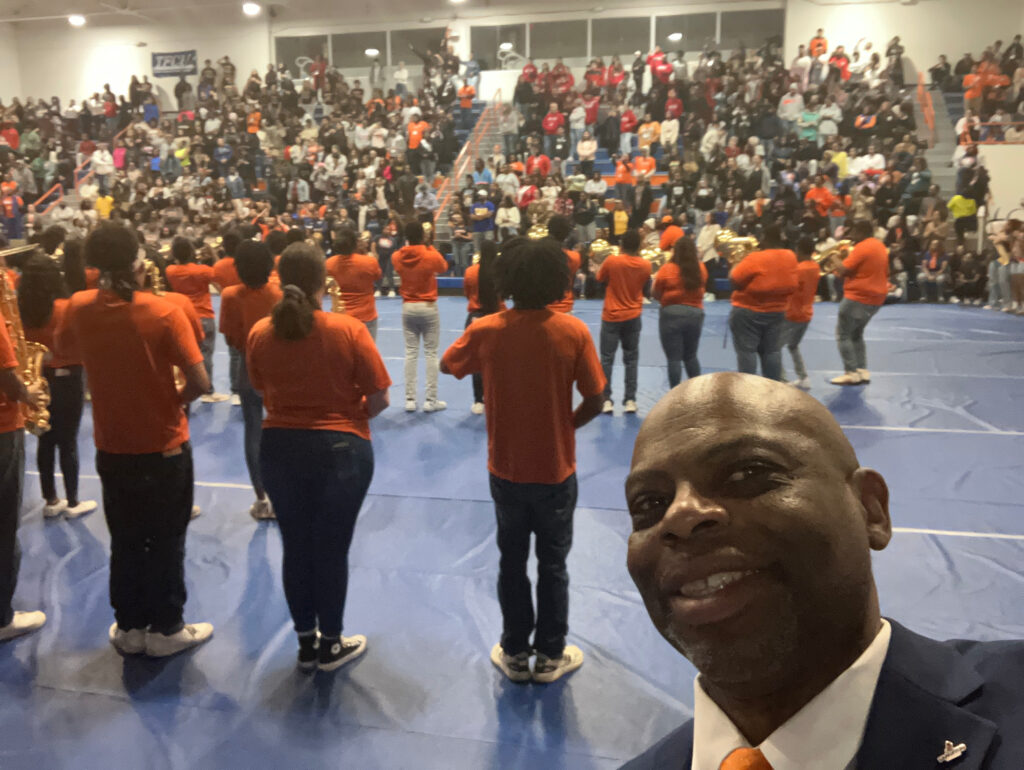
As High School Day continued at our school, the atmosphere remained electric, with over 650 high school students immersing themselves in the vibrant culture of our campus. However, on this day, the show’s true stars were not athletes or Greek organizations but the “Langston University Marching Pride,” our renowned marching band.
Before delving into my experience with the Langston University Marching Pride, it’s essential to understand the profound significance of HBCU bands. While larger, predominantly white institutions (PWIs) often focus on sports like football at HBCUs, the heartbeat of the campus often thrives behind the rhythmic beats of the marching band. For Black college enthusiasts, having a thriving band is not just a source of pride; it’s a bragging right.
The modern HBCU marching band as we know it today traces its origins back to June 1, 1946, with the creation of the Marching “100” at Florida A&M College (FAMU). While other HBCUs had field bands before, such as Tuskegee Institute in the early 1900s, the Marching “100” marked the beginning of the modern HBCU marching band era. Today’s youth remember the movie “Drumline,” which celebrates black bands. The roots are profound for the role of bands in black colleges.
Now, back to the High School Day at Langston University, where I encountered the “Langston University Marching Pride” for the first time. I had never heard of this band before. However, as the band took the stage and began to play, memories from my undergraduate days flooded back. It was an emotional experience that transcended time and space.
Songs like “When the Saints Come Marching On” and “Talking with the Side of Your Neck” took me down memory lane. With their infectious melodies, these tunes have been a part of the HBCU band tradition for generations.
What truly surprised me was the sound of the Langston University Marching Pride. With solid horns and an unmistakable SWAC (Southwestern Athletic Conference) sound, they brought a unique energy to the campus. It was no wonder the crowd was captivated, enthusiastically reacting to every note, especially during the drum line performances.
Watching the band and observing the crowd’s reactions, I knew I was immersed in the black college experience. The passion, the history, and the sense of unity that HBCU bands evoke are unlike anything else. They are a testament to these institutions’ rich cultural heritage and enduring legacy.
And as this remarkable weekends, I can’t help but share an additional highlight. On Friday, my family attended HBCU Night at the Thunder basketball game. To our delight, the Langston Band graced the halftime performance. My wife Estraletta and granddaughter Zeal joined the festivities, proudly donning their Lion apparel. During this memorable evening, I enjoyed running into IT Director Ayana Talley. It has been a grand week filled with the joy of music and the warmth of togetherness!
As we continue to celebrate the significance of HBCU bands, let us remember that they are not just a source of entertainment but a symbol of our pride, resilience, and the power of our collective spirit. The Langston University Marching Pride has undoubtedly left an indelible mark on our campus, reinforcing the undeniable significance of HBCU bands in shaping our cultural identity and the memories they create. ???????????? #HBCUBands #CulturalHeritage #LangstonPride
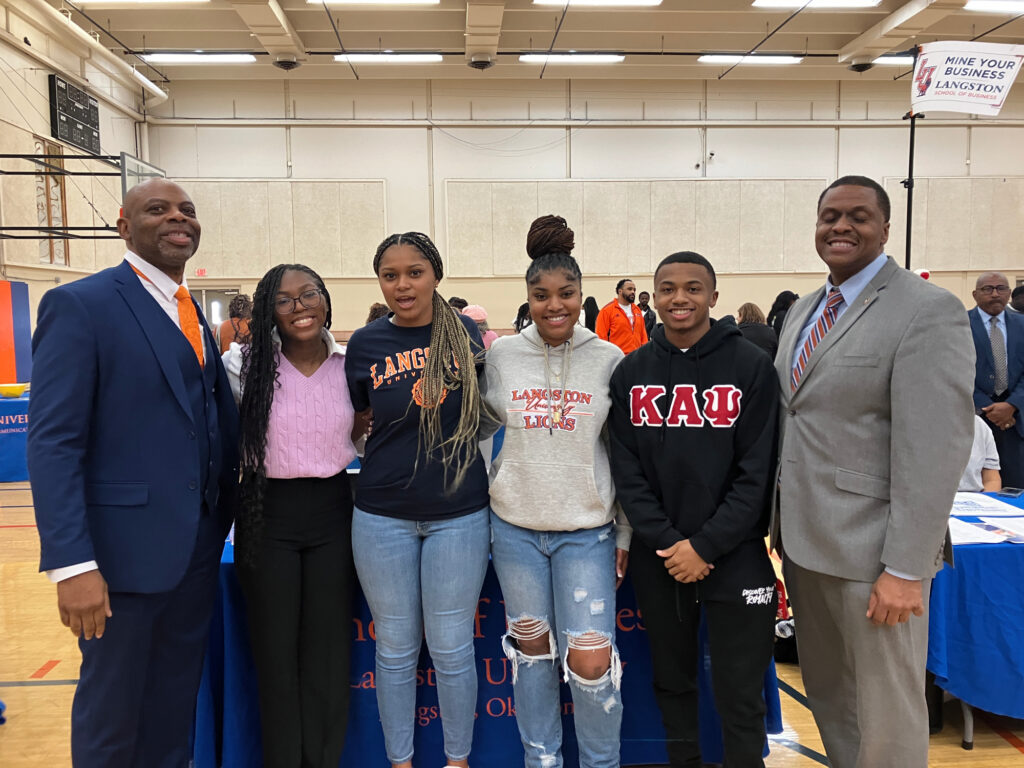
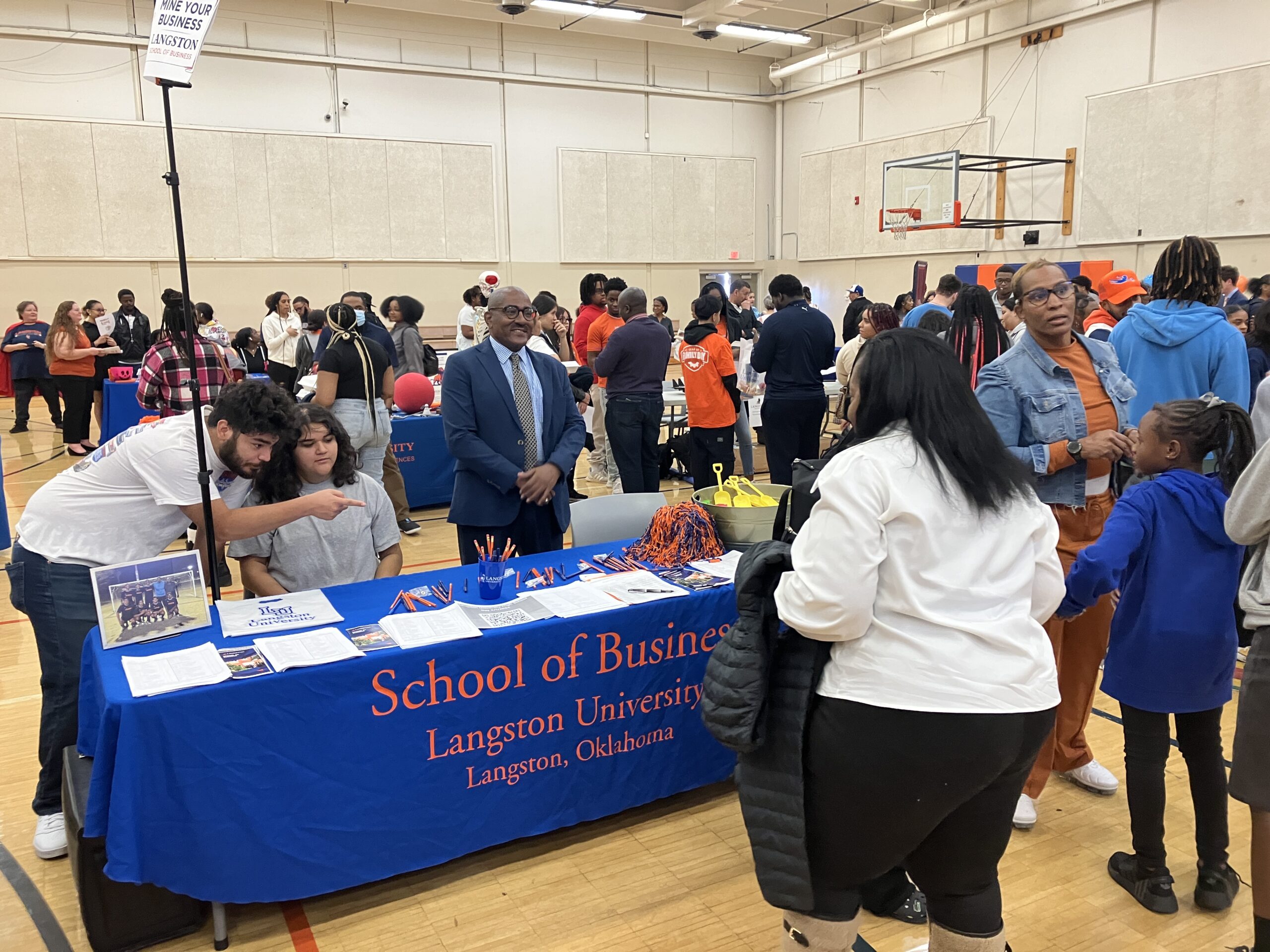
As “High School Day” dawned on our vibrant campus, anticipation hung. The faculty and staff of our business school had been diligently preparing our exhibit, eager to showcase all the fantastic things we had to offer. Dr. Hamilton and Professor Grayson, seasoned veterans of these events, were there to guide me through my first experience as a dean.
While I had always felt like family as a faculty member, stepping into the role of a dean brought a unique set of responsibilities. However, I had unwavering faith in my team. Their meticulous planning and dedication were evident, even though we had to forgo our business school selfie station due to space constraints.
As the day unfolded, the campus came alive beyond our wildest expectations. Over 650 high school students descended upon our campus, and the atmosphere was electrifying. There’s something about the vibe at a black college that’s truly unique, and the high school students were feeding off the program’s energy.
The show’s star was the “Langston University Marching Pride,” Langston’s renowned marching band. Their music filled the air with infectious enthusiasm, setting the stage for an unforgettable day.
At 2 pm, our business school was ready to shine. Dr. Hamilton, Dr. Huang, Professor Grayson, Mrs. O’Bryan, and our dedicated student workers, Melo and Carmen, stood prepared to present our programs to the curious high school students. It was a moment of pride as we saw genuine interest in what we had to offer.
I had the privilege of engaging in conversations with both students and parents. Our shared noble goal was to provide education to Black students and other underserved communities, and this high school day was a promising start.
The life of a dean is indeed different. While most folks work from 8 am to 5 pm if lucky, a dean’s role involves diverse experiences beyond the traditional workday.
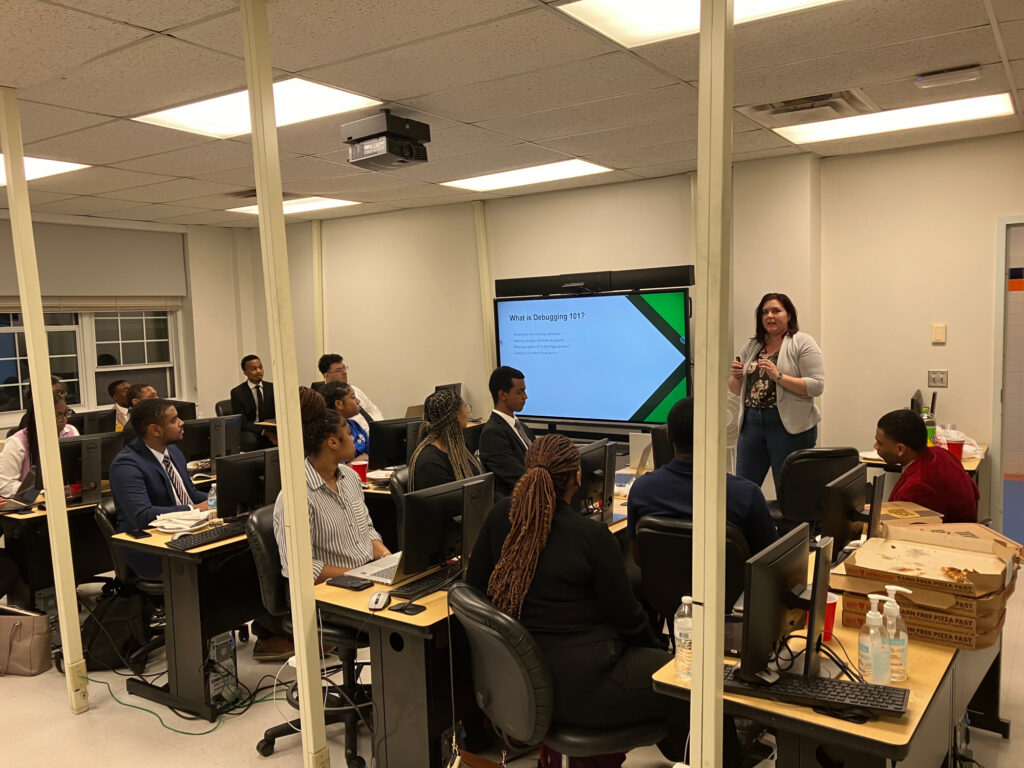
Later in the day, Professor Grayson was invited to an event hosted by Paycom, a company where many of my former OBU students had found their place. I arrived slightly later than expected due to a clash of events, but I was thoroughly impressed by the professionalism and curiosity of the computer science students. Professor Grayson’s guidance had prepared them well.
Where else could you find such engagement and enthusiasm from black students in Oklahoma? It’s right here, at our university. Today’s experience reinforced why I am here, and our mission is crucial. Thousands of students, like those in the computer science program, deserve a student-centered experience that empowers them to achieve greatness.
Reflecting on this week’s adventures, I am reminded of our business school’s immense potential and promise. The journey is just beginning, but we will continue shaping futures and creating opportunities for future generations. ???????????? #Empowerment #StudentCenteredEducation #FutureLeaders
Connecting with Campus Life in Week Four – The Campus Cafe Chronicles
Reflecting on my fourth week as the dean of our remarkable business school, I’m filled with gratitude and excitement. My journey has been inspiring, and I can’t wait to share some memorable moments with you.
One of the joys of my role is connecting with our vibrant campus community, and our campus cafe is where it all begins. In general, students complain about café food. I’ve visited campuses nationwide. However, I genuinely appreciate my weekly café experience. It’s not just about the food; it’s about the people I meet.
This week held a special surprise – a chance encounter with a campus legend, Coach James Hilliard, an esteemed alumnus. We engaged in spirited banter about the best HBCU, and I must admit, I had to eat some humble pie as I learned more about our university’s rich history. Talking to Coach Hilliard is like conversing with an older brother; I know what to do as the little brother. I shut up and listened.
But the encounters didn’t stop there. I met two athletic trainers and couldn’t resist bragging about my athletic background…as a ballroom dancer. They laughed well (as if me being an athlete was funny). I even had a delightful encounter with a student working in the athletic department while pursuing a master’s in entrepreneurship. When I introduced myself as the new dean, he seemed skeptical, and I couldn’t help but chuckle. It was a pleasant surprise to run into business students during my cafe visits, and that day was no exception. Unlike some sterile campuses, most students on campus are willing to interact with older adults. The café vibe is sometimes like being at my wife’s family reunion.
The highlight of the week was meeting our Athletic Director, Donnita Drain-Rogers. Not only is she an impressive professional, but she also feels like family. Her journey from Oklahoma to Louisiana, coaching at Grambling University, and making history as the first woman to coach boys in Caddo Parish is genuinely inspiring. And let’s not forget, she’s the winningest women’s basketball coach at our university! It was an honor to connect with her.
As I returned to my office, I was back to the dean’s business. I also had the pleasure of meeting our academic advisor for the business school, Bobby Friends, who plays a crucial role in guiding our first- and second-year students. Building relationships with various organizations and individuals is vital to success as a dean, and spending time with Bobby reinforced that belief.
But what truly warmed my heart was an encounter with Katelyn, a sophomore I met at the café earlier. She was courageous in following up and meeting with her dean. We had a delightful conversation. It reminded me of the importance of having an open-door policy and being willing to listen to our students. As an HBCU grad, I learned early on that students have much to teach us.
This week has been an incredible journey of connecting with the wonderful people around our campus. Together, we will delve deeper into the Black experience, creating an avenue for awareness, understanding, and shared growth. But this week’s journey is not over. Stay tuned!
In the heart of Knoxville, Tennessee, where Payne Avenue Missionary Baptist Church stood as a beacon of faith, a remarkable leader emerged to touch our lives profoundly. The story that I will share today is not one of sorrow but a captivating tale of a man who embodied the essence of leadership and left us with invaluable lessons to treasure. Sadly, I couldn’t attend this funeral. Yet, I had the privilege of watching his farewell through the lens of Facebook (Meta), and I am thrilled to share with you this inspiring narrative, for Pastor Richard R.S. Brown, Jr. was not just our pastor; he was my friend and an exemplary leader.
Born in 1961 in Birmingham, Alabama, Pastor Brown was destined to become a guiding light in our lives. I joined the Payne Avenue family in 1997, seeking a nurturing spiritual home for my family, freshly transplanted from Washington in 1994. With three young children to raise, Estraletta and I needed more than a church; we needed a place to anchor our children’s faith. Payne Avenue welcomed us with open arms, and it was there that our paths crossed with the extraordinary man we fondly called Pastor Brown.
I had the opportunity to work with Pastor Brown in many leadership capacities as the Chairman of the Deacon Board at Payne Avenue Missionary Baptist Church.
The day of his farewell was a testament to his profound impact on the Knoxville community. A funeral service that stretched over 2.5 hours, a packed church filled with tearful eyes, and a congregation bound together by his love were the ingredients of Pastor Brown’s legacy. As someone who has dedicated my life to researching leadership and mentoring the next generation of leaders, I found a model worth cherishing in Pastor Brown.
In a world where leadership is often equated with titles and financial rewards, Pastor Brown showed us a different path illuminated by love and action. His leadership transcended the ordinary, for he understood that leading volunteers in a church was a realm far removed from corporate politics. Pastor Brown inspired people to dream and reach higher goals.
Pastor Brown was a servant leader. On many trips with the young department, you would find Pastor Brown driving the church bus while telling his favorite jokes to entertain us.
Here are some invaluable lessons that I learned from Pastor Brown that will help the next generation of leaders:
1. Love is an action word: Pastor Brown’s love wasn’t mere words; it was a vibrant, living force. He would visit the sick, comfort the grieving, and travel miles to attend funerals. His love was contagious, and it embraced even those who challenged him. He demonstrated that genuine love is the foundation of authentic leadership.
2. Stand your ground: Unapologetically passionate about his beliefs, Pastor Brown never wavered. Some may have called him stubborn, but he embodied unwavering conviction to me. Pastor Brown’s courage was a beacon of strength in a world where leaders often sway public opinion.
3. Have a sense of humor: Pastor Brown could infuse humor even in the most solemn moments. His wit and ability to tell a good joke were legendary. He knew that humor could diffuse tension and strengthen bonds. Leaders who can bring laughter to those they lead build bridges of genuine connection.
4. Be active in relationships: Pastor Brown wasn’t just a figurehead; he was hands-on. He joined in church activities, attended sporting events, and broke bread with us. He recognized that shared experiences built unbreakable bonds within our congregation. His love for music, his family, and his community were always on display, reminding us of the power of engagement.
As we bid farewell to Pastor Brown, we extend our deepest prayers to his family, with Minister K. Brown leading them during this challenging time. Pastor Brown, you were not merely a friend but also a shining example of a trusted leader. Proverbs 18:24 says, “A man that hath friends must show himself friendly: And there is a friend that sticketh closer than a brother.” You exemplified this truth, living a life that mirrored the teachings of Jesus Christ.
In closing, Pastor Brown, we are going to miss you on Planet Earth. Your charismatic leadership, your warm personality, and the lasting impact you’ve had on our lives will forever inspire us. You leave behind a legacy that reminds us all what it means to lead with love and laughter. Thank you, Pastor Brown, for your unwavering love, steadfast convictions, infectious humor, and active engagement with us. We salute you as a trusted leader, a cherished friend, and a beacon of light. May you rest in eternal peace.