

We just had to go on Beale Street in Memphis, Tennessee, the place was known for great blues music. We stopped at one of the famous blues hotspots on this strip. We were directed to our seats; the house was packed with people. The band was playing with great passion. My wife and I walked in the room to celebrate with others the love of good music. The music was carried across the room slowly as blues music permeated the atmosphere like smoke covers a house on fire. Everyone was excited. People were all over the dance floor. These folks were no amateurs to blues. Interesting enough, my wife and I were the only black couple in this crowded location. Blacks created the blues. Yet, many blacks have either abandoned this genre or have forgotten the roots of this music. I hope that dance in America will not falter like this.
As my wife and I have danced ballroom in various states and different dance studios, we have not seen many black people doing ballroom dancing. African-Americans have made significant contributions in all walks of life, dance is no exception. Black History Month gives us a time to remember the pioneers of dance, including Josephine Baker and the Dance Theatre of Harlem and glance at the future. When you start talking about ballroom dancing, everyone thinks about the ABC’s hit show, Dancing With the Stars, that pairs up celebrities with professional dance partners in an intense ballroom competition. There are a few African Americans involved with ballroom dancing in the nation. In this session, we will examine how dance studios can better target African American communities by reaching an untapped market.
Of course, effective organizations target the right customers. We call this target marketing. Companies can waste a lot of time and money with an all strategy where they target all buyers regardless of their product interest or ability to buy. Targeting is the process of identifying customers for whom the company will optimize its offerings.
Alexander Chernev, author of Strategic Marketing Management, notes “understanding customer needs and identifying market opportunities is the starting point in formulating a company’s marketing strategy. The cornerstone of developing a viable strategy is deciding which customers to target and how to reach those customers in an effective and cost-efficient manner.” Thus, pinning down the right target marketing takes time and consideration.
John Jantsch, author of Duct Tape Marketing, argues that most small businesses do not put in the necessary energy into marketing. They copy marketing ideas from other businesses (i.e. Copycat Marketing) with little regards to their internal competencies or specific target market. Jantsch explains, “I challenge you to pick up any business phone directory you like, flip open to any category and see if you can differentiate one business from another… the fact that the majority of people don’t respond to most marketing that small businesses put out there makes them Copycat Marketing, a surefire way to guarantee that your marketing will fail. Dance studios need to seriously target minority communities if they are to be successful in this endeavor.
Ballroom dance studios should spend time in effective target marketing in the black community. According to estimates, there are over 15,000 dance instruction studios in the United States, generating over 1.4 billion dollars. On average, most dance studios have annual sales of $100,000. The best-known dance studios are Arthur Murray International, with 190 franchised studios worldwide and Fred Astaire Dance Studios, with 110 United States dance studios, according to IBIS World Inc. reports.
In reality, most of the dance studios in this country are relatively the same size, offer similar services, have comparable pricing and can easily be substituted with other entertainment options. Therefore, identifying differentiating services among dance studios is often difficult for customers. Thus, dance studios are very vulnerable to market changes. Competition is fierce due to the many substitutes available as alternatives to ballroom dancing. Therefore, an enterprising dance studio needs to develop a targeted program to solicit minorities in the community as new customers.
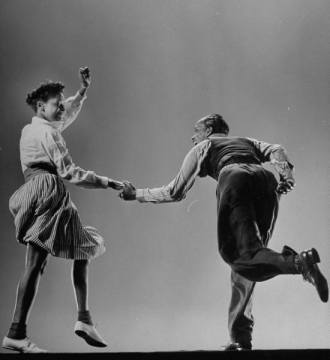
Consequently, finding more fertile markets is vital for sustainable growth for dance studios. Sadly, most dance studios have overlooked marketing to a more diverse clientele. Surprisingly, the majority of the dance studios lack diversity and a clear understanding of how to be attractive to a more diverse clientele. In fact, some dance studios generally overlook minority interest due to a lack of knowledge or interest. The conventional wisdom is that most Blacks and Hispanics would not be interested in ballroom dancing. Below are some strategies to pursue:
1. Understand the diversity culture: a studio needs to do the necessary homework on reaching out to a customer base. The minority population is no exception.
2. Eliminate any stereotypical assumptions: some owners feel that minorities would not be interested in learning ballroom dancing because they already know how to perform contemporary dances such as Salsa or Hip Hop.
3. Create an atmosphere of inclusion at the dance studio.
4. Ask current customers for assistance in reaching out to new customers.
5. Recruit more diverse dance instructors, if necessary.
6. Provide marketing material that promotes diversity. In fact, tailor the marketing strategy for greater effectiveness, each demographic is different.
7. Develop strategic alliances in minority segments of the community.
Ballroom dancing is a great opportunity to connect with others and build long lasting relationships. Blacks in this country have made a rich contribution to the arts, especially dance and music. When we all come together like in dancing, there are mutual benefits of these interactions. Let’s pray that it is not too late to discover the joy of ballroom dancing for others.
© 2017 by Daryl D. Green


Leave a Reply