
Peter owned a financial brokerage firm. He wanted to hire enthusiastic younger employees, but he was never able to attract the college students that he sought. The feedback he got was that the financial business was considered boring to many students. Based on the suggestion of a friend, Peter volunteered to be a speaker to a college freshman class. The presentation he so carefully crafted became a campus favorite. Over a five-year period, Peter successfully connected with college graduates. He had built authentic relationships on campus. Students recommended him as a preferred employer to other students.
With the COVID-19 pandemic continuing to impact businesses globally, even as the pandemic is gradually becoming yesterday’s news, today’s small businesses must continue to rethink their strategies for recruiting younger employees, especially during periods of employee shortages. Yet, businesses have experienced deficiencies among current college graduates in meeting their job requirements. Some students agree, and admit they were not adequately prepared in college to join the workforce. According to the Cengage’s Graduate Employability Report in 2021, approximately one-fifth of the 1,600 recent graduates of two- and four-year institutions surveyed said their college education did not provide the skills necessary for their first job, while half of them decided not to even apply to entry-level positions because they didn’t feel qualified. In fact, only four in ten college students feel very or extremely prepared for future careers, according to a McGraw-Hill Education study.
However, I have found that my Generation Z (GEN Z) students have been especially helpful to local small businesses during this timeframe. Throughout my years in academia, I have connected businesses and other organizations to college students, who have assisted with particular business problems. In my collaborative research, The Coronavirus Effect: How to Engage Generation Z for Greater Student Outcomes, my co-author and I suggest that there needs to be a better understanding of Generation Z students if businesses are to effectively recruit and retain them as employees. This article examines strategies that my research suggests are helpful in recruiting career-ready college graduates for employment.
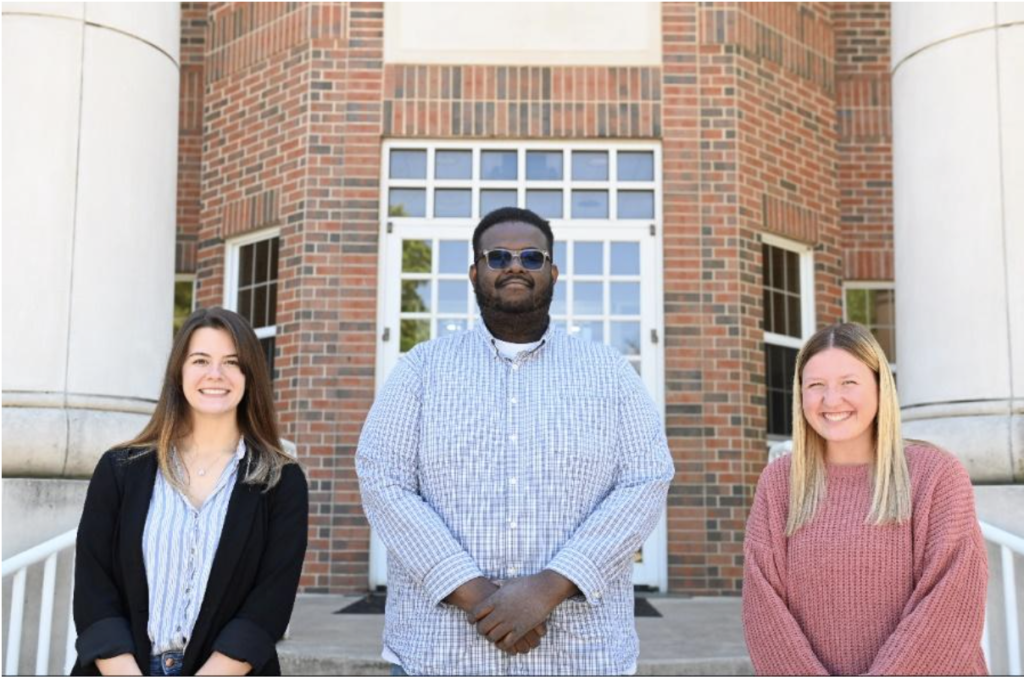
UNDERSTANDING GEN Z COLLEGE STUDENTS
Today’s small businesses and entrepreneurs must understand how to tap into this Generation Z population effectively. Therefore, employers need to be better prepared for working with Generation Z. Who are the young adults that make up Generation Z? They are in age cohort characterized by the most global, diverse and technological generation ever. GEN Z individuals have never known a world without smartphones and social media. They have also been called Digital Natives, Post-Millennials, Nextars, and iGenerations. In general, they were born in 1995 and after. This generation makes up about 26% of the U.S. population. GEN Z workers tend to have the entreprenuerial spirit which connects well with many small businesses.
CAREER-READINESS
Are today’s students career-ready? Are they prepared for ‘The Future of Work’ that lies ahead? According to a McGraw-Hill Education study, only four in ten college students feel very or extremely prepared for future careers. The National Association of Colleges and Employers (NACE) has identified eight competencies associated with career-readiness; these competencies include (1) career management/self-development, (2) collaboration/teamwork, (3) communication, (4) critical thinking/problem-solving, (5) equity/inclusion, (6) professionalism/work ethic, (7) leadership, and (8) technology. According to NACE, career-readiness is defined as “a foundation from which to demonstrate requisite core competencies that broadly prepare the college educated for success in the workplace and lifelong career management.” Sadly, most students are not aware of potential employers’ expectations of career-readiness competencies. College students who develop these competencies will be better prepared to compete for future job opportunities.
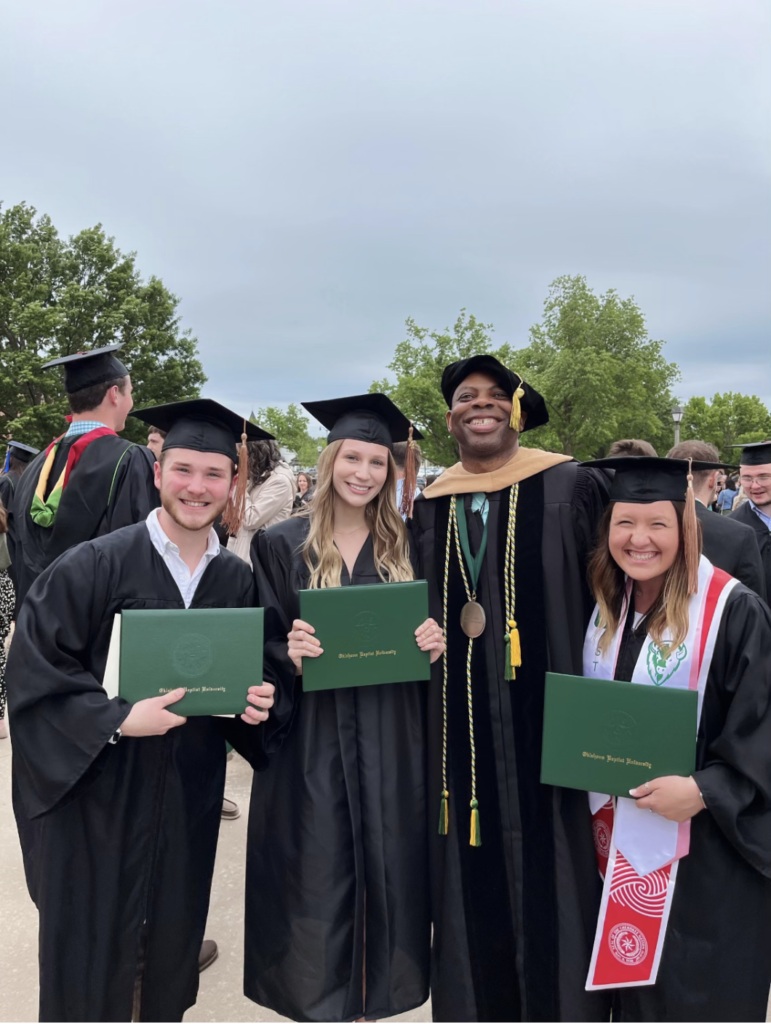
In my marketing courses, students are exposed to what we have called micro internships in order to gain needed experience. Unlike traditional internship programs, micro internships are conveniently embedded within the classroom environment. Micro internship students complete short-term professional assignments, similar to those given to new hires or interns, while temporarily on-site in the organization, These short-term projects give students valuable work experience, a chance to explore possible career paths, and opportunities to network and stand out in a competitive job market. Bringing these GEN Z students together with participating baseness partners is not an easy undertaking. Building organic, authenic relationships is critical.
Currently, there is a huge demand for talented young entry level workers. In fact, some businesses, especially in the tourism industry, are suffering from the lack of essential workers. Many unemployed people have opted not to return to the workforce for various reasons (i.e. more pay, safety). Given this reality, the following small business strategies can assist with recruiting career- ready college graduates from Generation Z:
- Build a strong relationship with key college influencers (business and marketing faculty, career service or placement directors), who have the trust of their college students.
- Create a work culture that supports younger employees.
- Utilize younger employees and other advisors to create a recruitment strategy for college graduates.
- Provide seasoned employees with financial incentives to coach and train younger employees.
- Utilize career-readiness programs, such as micro internships, with local universities. Reference programs like that which has been successfully implemented at Oklahoma Baptist University, which connects businesses with prospective students.
- Provide flexible employee hours and remote working options to recruit new employees.
IN SUMMARY
In today’s changing landscape, successful small businesses need to implement effective recruitment and retention strategies. Over my years as an academic, I have connected small businesses and other organizations to college students in order to assist them with their business problem. Building deep, authentic relationships is a critical step for GEN Z students. Yet, many organizations, when hiring younger employees, fail to understand this generational trait. This article demonstrates how small businesses can recruit career-ready college graduates for employment. Recruiting younger employees is not easy, even during current worker shortages. Sadly, some businesses will stick to traditional recruitment tactics by simply offering more money. They may lose out to their competitors who have decided to become more attuned to the GEN Z graduate workforce. Pray that it is not too late for them to join the parade.
© 2022 by D. D. Green
About Dr. Daryl Green:

Dr. Daryl D. Green is a business strategist, awarding speaker, and noted author. He is the Vice President of Marketing at AGSM Consulting LLC where he provides strategic planning, marketing, and product development to emerging and existing businesses. He provides consulting, guidance, and management training for today’s small businesses. He is a business professor operating a small business in Oklahoma. He has assisted over 100 organizations across the globe with marketing and management problems. If you would like more information about this article or business assistance, please contact Dr. Green at drdarylgreen@gmail.com or visit www.drdarylgreen.com.